From Compassion to Systems Change: Building Sustainable Rural Empowerment Models
12/18/20251 min read
From Compassion to Systems Change: Building Sustainable Rural Empowerment Models
Compassion is where social impact begins—but it is not where it should end. While charitable responses address urgent needs, lasting change requires something more deliberate: systems that enable people to thrive independently over time.
At UEP, our work has evolved from responding to immediate hardship to designing integrated empowerment models that address root causes of vulnerability. This shift—from compassion to systems change—has been essential for sustainability, scale, and accountability.
Rural communities face layered challenges: limited education access, unemployment, gender inequality, weak health infrastructure, and climate volatility. Treating these issues in isolation produces fragmented results. Systems change demands a coordinated approach—one that aligns health, education, livelihoods, and governance into a single ecosystem.
Our Model: Built on Three Core Principles
Our model is built on three core principles:
Local Ownership: Programs are co-created with communities, not imposed on them. This builds trust, relevance, and long-term adoption.
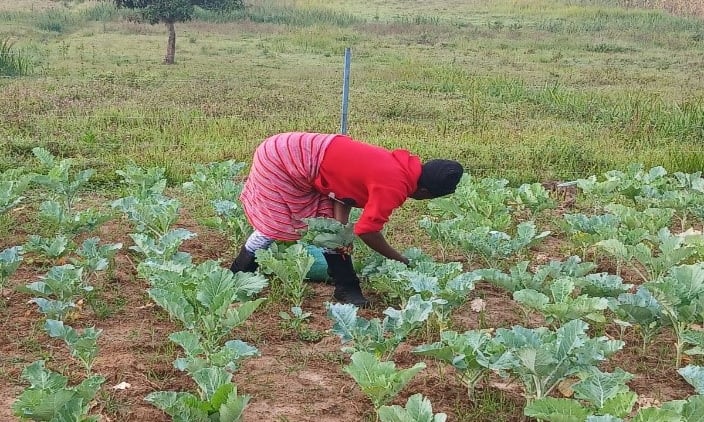
Economic Inclusion: Empowerment is incomplete without income. Whether through local manufacturing of reusable pads, agribusiness initiatives, or skills training for young mothers, we prioritize pathways to self-reliance.
Institutional Discipline: Strong governance, transparent reporting, and measurable outcomes ensure that impact is not anecdotal but demonstrable. This allows partners and donors to invest with confidence.
The Virtuous Cycle of Change
The result is a virtuous cycle: educated girls delay early marriage, healthier families reduce healthcare costs, economically empowered women reinvest in their communities, and climate-smart practices protect livelihoods. Over time, dependency decreases while resilience increases.
Systems change is not fast, and it is not simple. It requires patience, partnership, and a long-term view. But it is the only approach that transforms communities from recipients of aid into drivers of their own development.
At UEP, we remain committed to moving beyond compassion alone—toward scalable, community-rooted systems that deliver dignity, opportunity, and lasting impact…