
Growing Hope: Advancing Food Security and Climate Resilience in Rural Communities
12/18/20252 min read
Growing Hope: Advancing Food Security and Climate Resilience in Rural Communities
Food security is no longer just a development challenge—it's a defining issue of our time. In rural western Kenya, unpredictable rainfall, prolonged droughts, and soaring food costs are putting household nutrition, incomes, and overall community stability at risk. Vulnerable families, particularly adolescent girls and young mothers, bear the brunt of these climate shocks, which only deepen cycles of poverty and restrict opportunities for growth.
At Undugu Empowerment Programs (UEP), we firmly believe that building climate resilience is key to fostering dignity, self-reliance, and sustainable food security. This conviction drives our focus on climate-smart agriculture—innovative solutions designed to help communities adapt, produce more effectively, and flourish even amid shifting environmental conditions.
Climate Change: The Core Driver of Food Insecurity
Traditional farming methods are becoming increasingly unreliable due to erratic rains and dwindling soil productivity. Families who once relied on predictable seasonal harvests now grapple with frequent food shortages, income losses, and nutritional deficiencies, especially during extended dry periods.
For young people and teen mothers, these issues are exacerbated by barriers like limited access to land, capital, and knowledge about climate-resilient practices.
"Before joining the project, we depended on rain that never came. Now we know how to grow food even during dry seasons."
— A teen mother participant at Undugu Grounds
Transforming Climate Challenges into Opportunities
At Undugu Grounds, UEP is empowering girls and young mothers by introducing climate-smart agricultural techniques tailored to real-world environmental demands. Through practical training and ongoing mentorship, our participants are mastering ways to cultivate food efficiently, sustainably, and with a profit in mind.
Our comprehensive approach features:
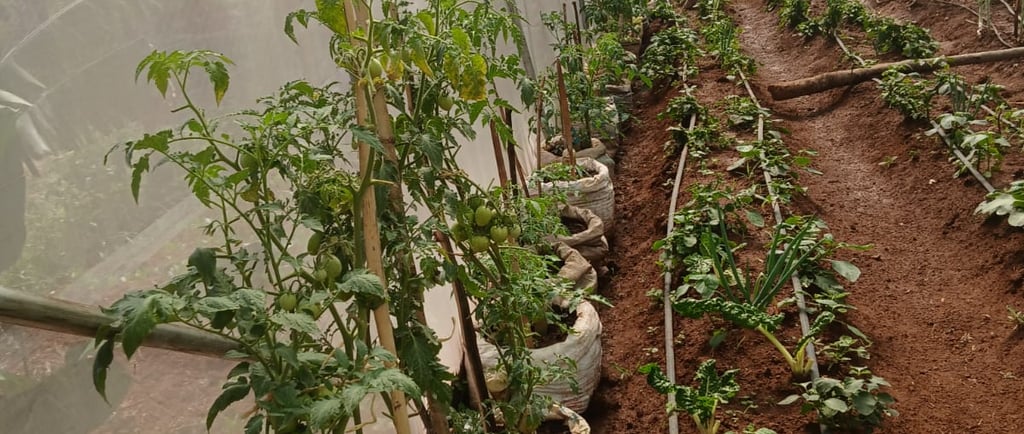
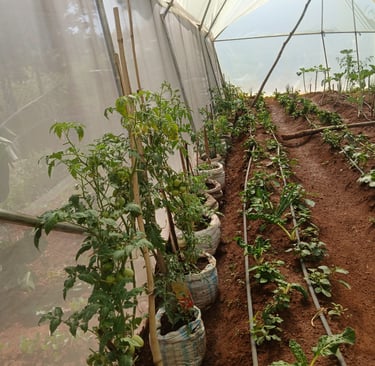
- Water-efficient irrigation systems to conserve precious resources
- Drought-resilient crops, such as tomatoes and various vegetables
- Soil conservation methods and eco-friendly farming techniques
- Essential agribusiness skills to turn produce into steady income
These efforts aren't just boosting food availability—they're also instilling confidence, honing skills, and enhancing economic stability for those involved.
"This farming project has helped me feed my children and earn an income. I feel stronger knowing I can provide, even when the weather changes."
— A young mother in our climate-smart agriculture program
Empowering Through Food Security
True food security extends far beyond mere sustenance; it encompasses stability, choice, and the power to shape one's own future. When young women and girls acquire skills in climate-smart farming, the benefits ripple outward:
- Households enjoy better nutrition and healthier lives
- Incomes stabilize and become more reliable
- Reliance on external aid diminishes
- Entire communities grow more resilient against climate disruptions
By weaving agriculture into our youth and women's empowerment initiatives, UEP is tackling food insecurity from the ground up.
Investing in Community-Led Climate Resilience
Our climate-smart agriculture model at UEP is deliberately community-driven. Participants collaborate in learning, cultivating, and disseminating knowledge to their families and neighbors, creating a powerful ripple effect that bolsters resilience on a wider scale.
This work aligns seamlessly with our overarching goals: ensuring girls stay in school, supporting teen mothers, and fostering sustainable livelihoods. After all, food security is the bedrock upon which all other progress is built.
Looking Forward: Cultivating a Resilient Tomorrow
As climate change reshapes rural economies and ways of life, the demand for adaptable, grassroots solutions is more urgent than ever. UEP is dedicated to expanding our climate-smart agriculture efforts, paving the way for:
- Enduring food systems that withstand environmental pressures
- Meaningful employment opportunities for youth
- Greater economic empowerment for women
- Household-level resilience that empowers families to thrive
"When communities are equipped to grow their own food despite climate challenges, they regain dignity and control over their future."
— Immaculate A. Wesonga, Founder & Trustee, Undugu Empowerment Programs
In the end, we're doing more than planting seeds—we're nurturing resilience, unlocking opportunities, and sowing hope for generations to come.